

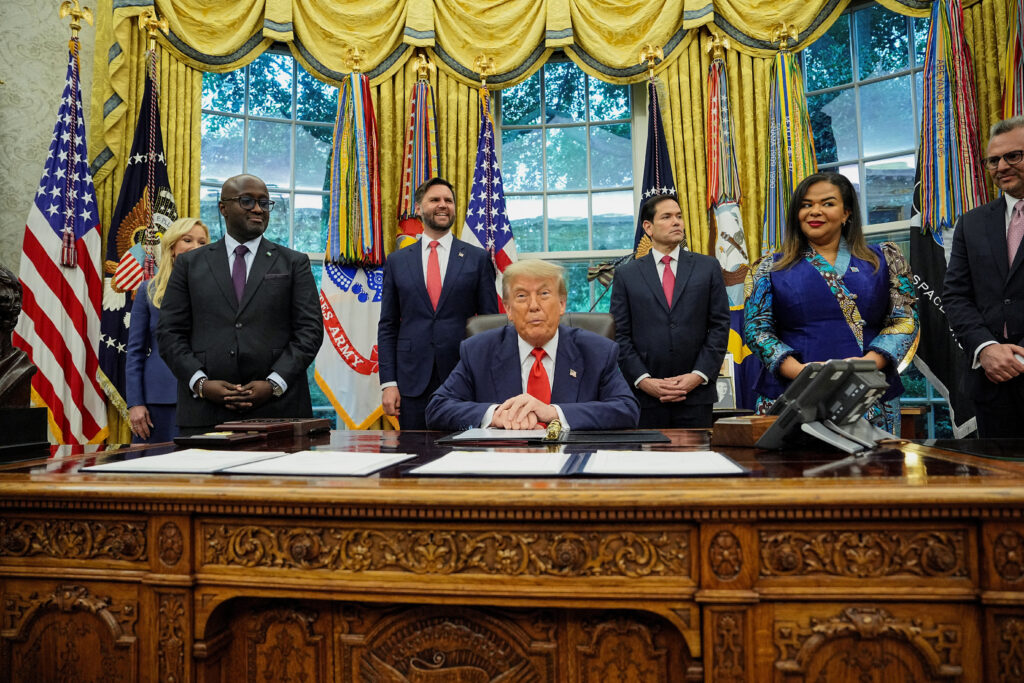
Since the historic Washington Accord signed on June 27, 2025, under U.S. mediation, relations between the United States and the Democratic Republic of Congo (DRC) have entered a new phase of both diplomatic engagement and strategic partnership. The accord, aimed at ending decades of tension between the DRC and Rwanda, created opportunities for regional peace, economic collaboration, and security cooperation — but its implementation has been complex.
From Diplomacy to Action
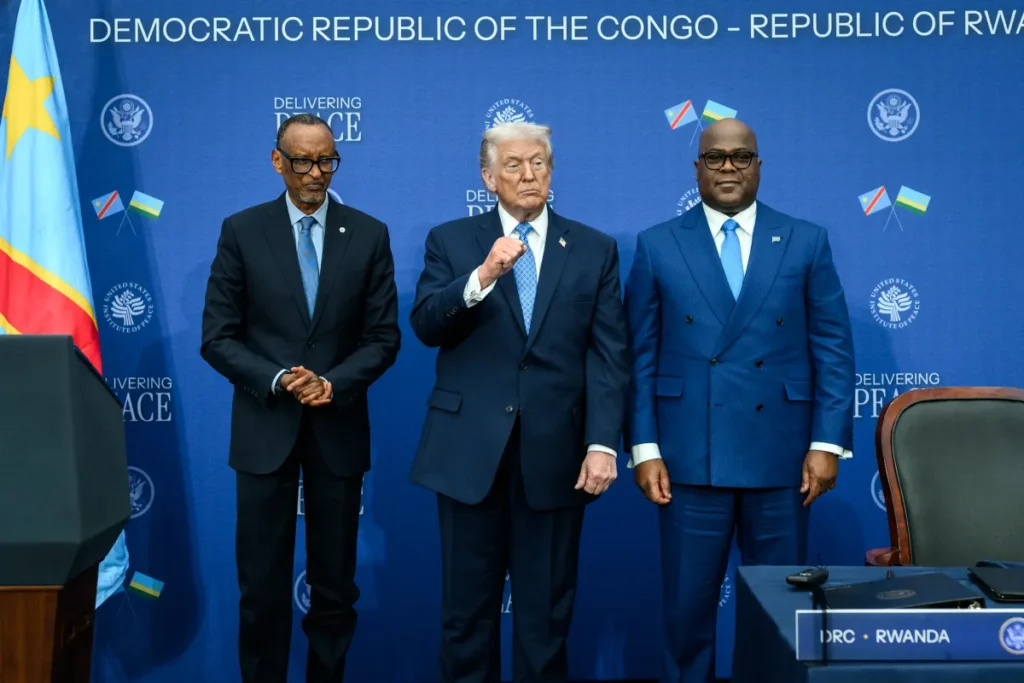
The accord laid out a framework for peace, regional integration, and economic cooperation, with oversight from the U.S., African Union, and EU partners. A follow-up ratification ceremony in December 2025 in Washington, D.C., reaffirmed commitments from Congolese President Félix Tshisekedi and Rwandan President Paul Kagame, signaling the importance of sustained U.S. engagement.
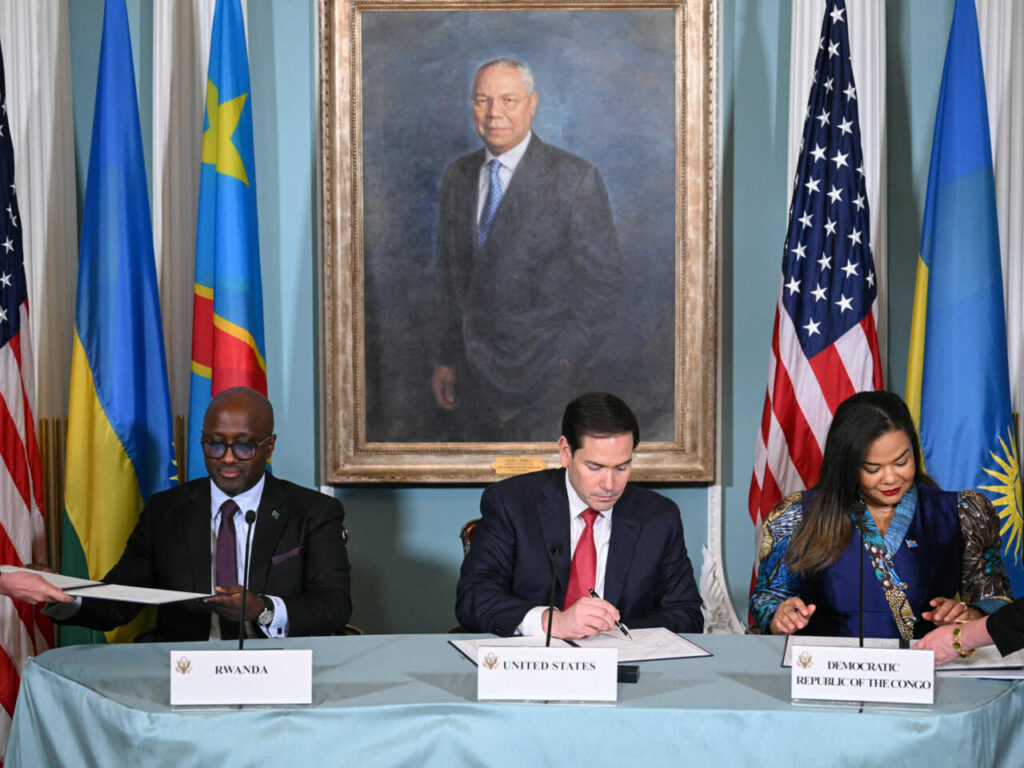
While official statements highlighted progress, multilateral partners noted that implementation remained slow, partly due to persistent security challenges in eastern Congo. Rebel groups, especially the M23, have continued operations, creating obstacles for the accord’s full realization.
Economic Engagement and Mineral Diplomacy
A major component of U.S.–DRC relations has been critical minerals cooperation. The DRC’s vast reserves of cobalt, lithium, and copper have drawn U.S. interest, particularly in the context of securing supply chains for advanced technologies. In early 2026, discussions were underway between Congolese officials and U.S. investors, aiming to involve American companies in mineral development.
However, this push has drawn domestic criticism. Civil society and opposition figures have expressed concern that mineral deals risk prioritizing foreign interests over national sovereignty. Some reports warn that Congolese communities could be “exploited” if agreements favor international corporations at the expense of local benefit.
Security Cooperation and Controversial Involvement
Security collaboration has also become a feature of U.S.–DRC relations. Reports indicate that Erik Prince, a U.S. private security figure, deployed contractors and drones to support the Congolese army in securing strategic towns like Uvira. While this reflects U.S. influence in security matters, it also raises questions about private military involvement in Congolese affairs.
At the same time, the DRC has begun broader economic initiatives supported by the U.S., such as its first sovereign international bond and infrastructure projects. These are part of a larger effort to stabilize the country and attract foreign investment in a post-accord environment.
A Strategic Pivot for Africa
The U.S.–DRC partnership is increasingly tied to global mineral security and geopolitics. Analysts note that Congo’s resources position it at the center of international competition between the West and China. While the Washington Accord has opened doors for cooperation, the long-term success of U.S.–DRC relations depends on balancing strategic interests with local stability, transparency, and sustainable development.
Looking Ahead
The Washington Accord was a landmark step for diplomacy in the Great Lakes region. Yet, as 2026 unfolds, the true test lies in turning signed agreements into tangible peace and prosperity for Congolese citizens. Economic, security, and political collaboration with the U.S. offers opportunities, but it must be carefully managed to ensure that the benefits reach local communities and that regional stability is sustained.
