

A new chapter is unfolding in relations between the Democratic Republic of the Congo (DRC) and the United States, as both countries deepen cooperation around strategic minerals. Following high-level engagements in Washington, attention has turned to the DRC’s vast reserves of tantalite — the ore from which tantalum is derived — a mineral essential to modern technology and global industry.
Particular focus is being placed on the mining zones of Manono and Rubaya, areas widely recognised for their significant tantalum deposits. These sites rank among the most important globally and are now central to a renewed strategic alignment between Kinshasa and Washington. Tantalum plays a crucial role in the production of smartphones, electric vehicles, aerospace components and advanced industrial equipment.
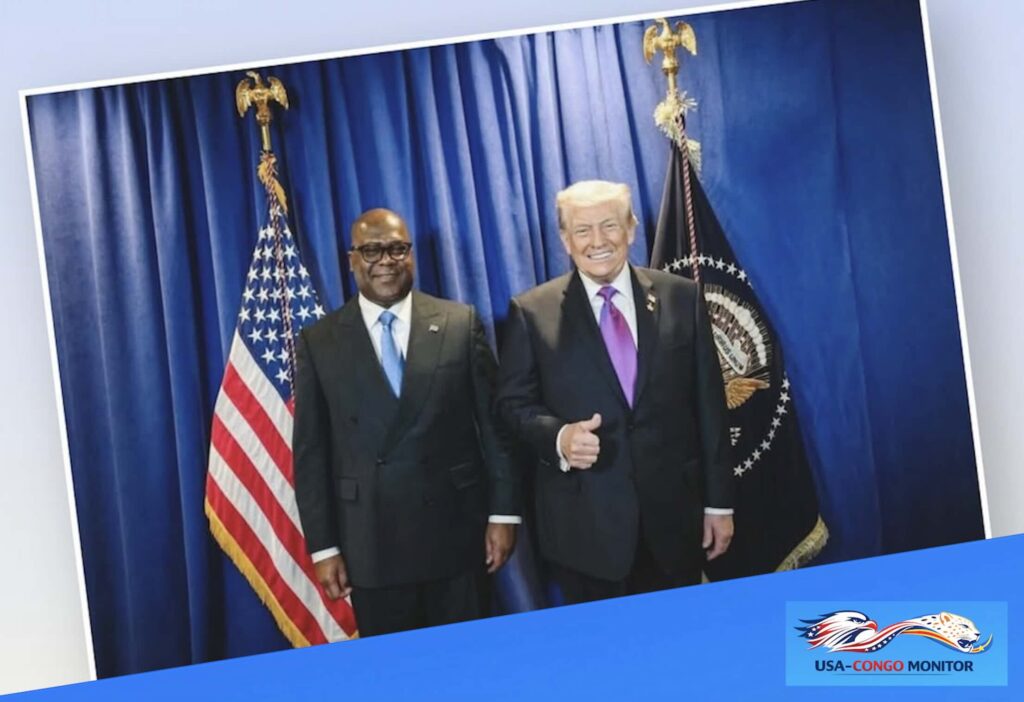
For the DRC, this cooperation signals more than resource extraction. It reflects a growing determination to manage and develop critical minerals within a structured and transparent framework that prioritises national economic transformation. Congolese authorities are increasingly positioning the country not merely as a supplier of raw materials, but as a sovereign actor seeking value addition, regulatory oversight and long-term development outcomes.
From the American perspective, the partnership aligns with broader efforts to diversify supply chains for critical minerals and reduce overreliance on limited global sources. Ensuring stable and responsible access to strategic resources has become a priority within U.S. industrial and geopolitical planning, particularly as global demand for energy transition technologies accelerates.
In eastern Congo, the structured development of the mining sector carries additional significance. Strengthening state oversight in strategic zones is seen as a pathway to curbing illicit trafficking networks, limiting the financial lifelines of armed groups and reinforcing institutional authority. If effectively implemented, responsible mineral governance could contribute to both economic growth and regional stabilisation.
This evolving partnership illustrates a shifting reality in global geopolitics. The DRC, long viewed primarily through the lens of extraction, is increasingly asserting itself as a key stakeholder in the future of critical minerals. Sovereignty in today’s world is not only defended — it is negotiated, shaped and strengthened through strategic engagement.
